
1. Check your gutters
Look for gutters that are overflowing, blocked with leaves, sagging, or not draining properly. Overflowing gutters send water back toward the fascia, soffit, cladding, and eventually the ceiling inside.
Water does not go where you think it goes.
It runs along the underside of a beam. It follows a nail. It travels three metres sideways through framing and comes out somewhere that has nothing to do with where it got in. Which is why the wet patch on your ceiling is often the least useful piece of evidence in the house.
We spend a lot of our time ruling things out — you start with the symptom, and you work backwards until you find the thing nobody else looked at.
You do not need any of that to do what follows. What you need is ten minutes and a willingness to look at your own house properly for the first time in a while.
You do not need to be a builder to spot early maintenance issues around your home. A quick walk around the outside can help you catch small problems before they turn into larger repairs. Winter is the best time to do it, because rain, wind, blocked gutters, and poor drainage all start showing themselves.
Here is what to look for.
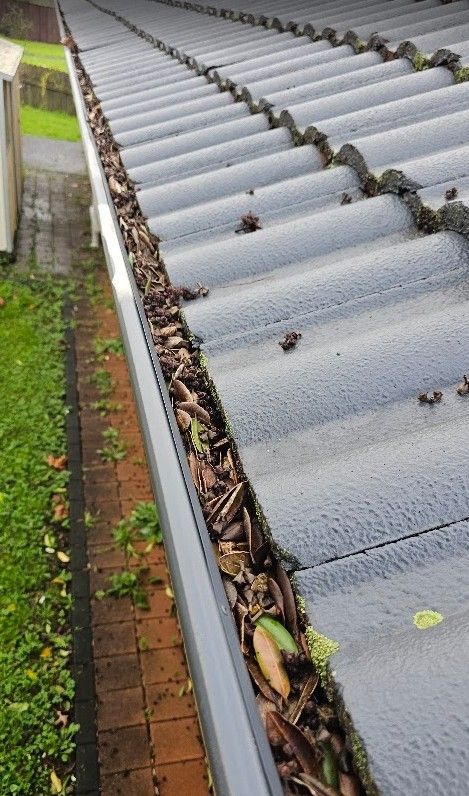
1. Check your gutters
Look for gutters that are overflowing, blocked with leaves, sagging, or not draining properly. Overflowing gutters send water back toward the fascia, soffit, cladding, and eventually the ceiling inside.
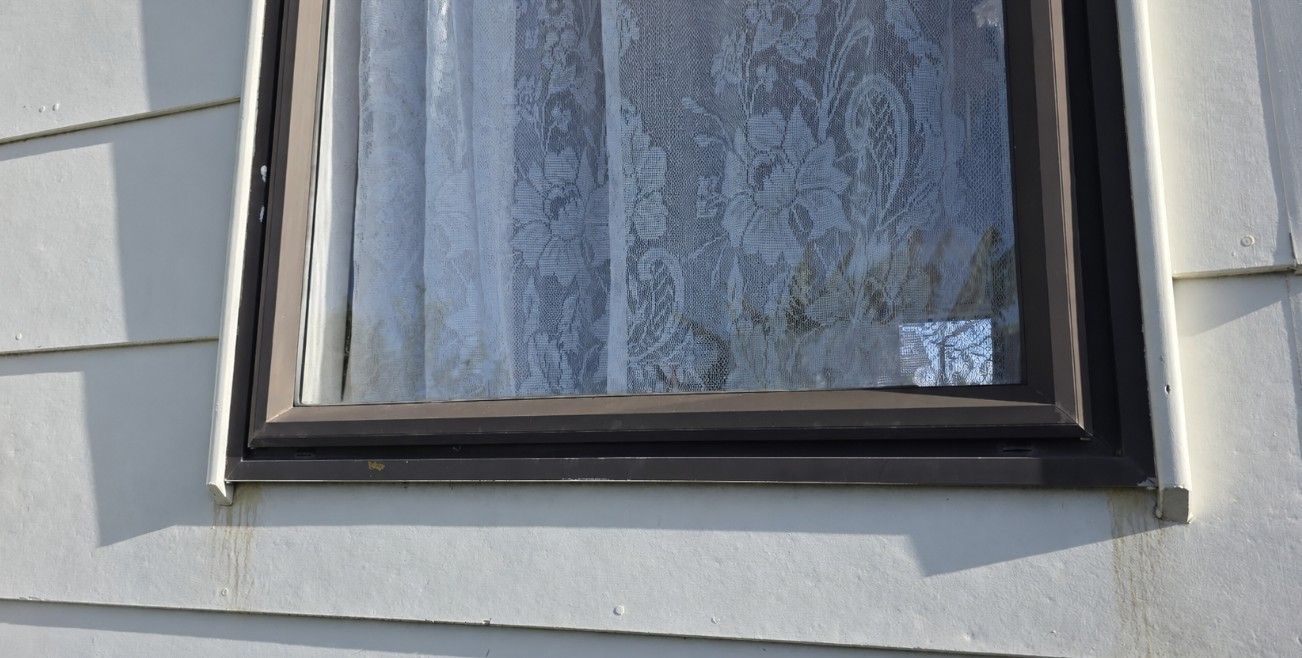
2. Look under windows
Staining, swelling, cracked paint, soft timber, or discolouration below a window can be an early sign that water is getting in around the joinery. Remember that where you see the stain is not always where the water is entering.
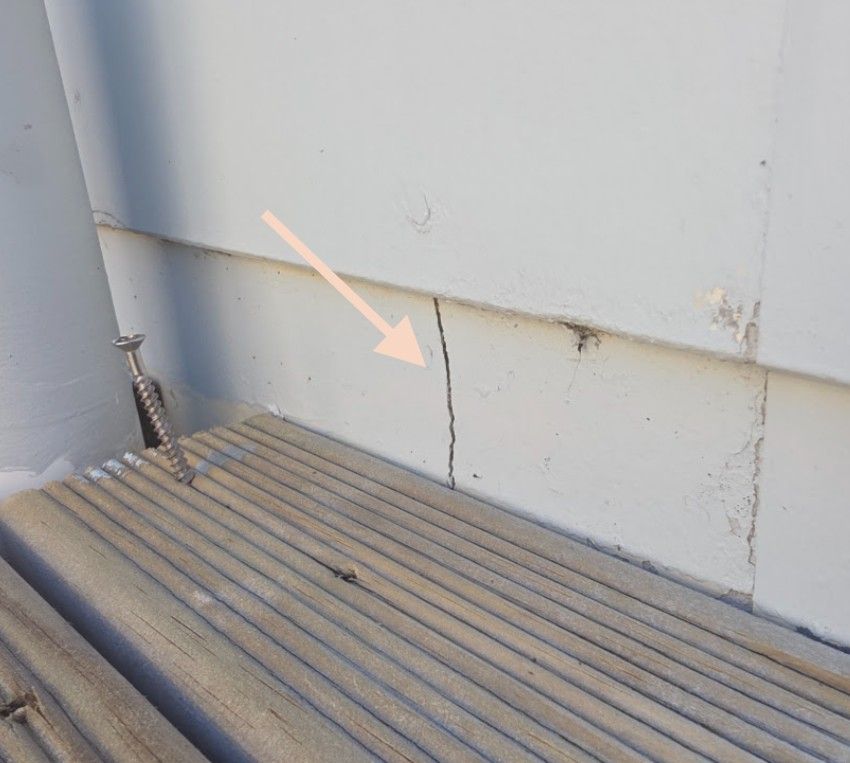
3. Check sealant and cladding junctions
Look around windows, doors, meter boxes, deck connections, and pipe penetrations. Cracked sealant, open gaps, or damaged cladding will let water in over time.
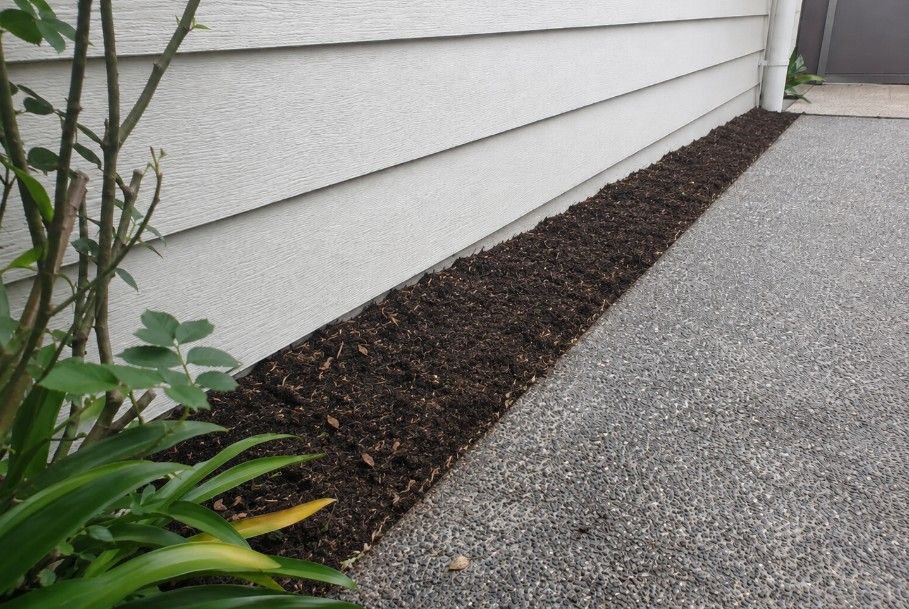
4. Look near decks and garden areas
Decks, paths, and garden beds sitting too close to the cladding create ongoing moisture problems. Cladding should never be buried in soil, mulch, or paving. This is one of the most common issues we find, and one of the easiest to fix.
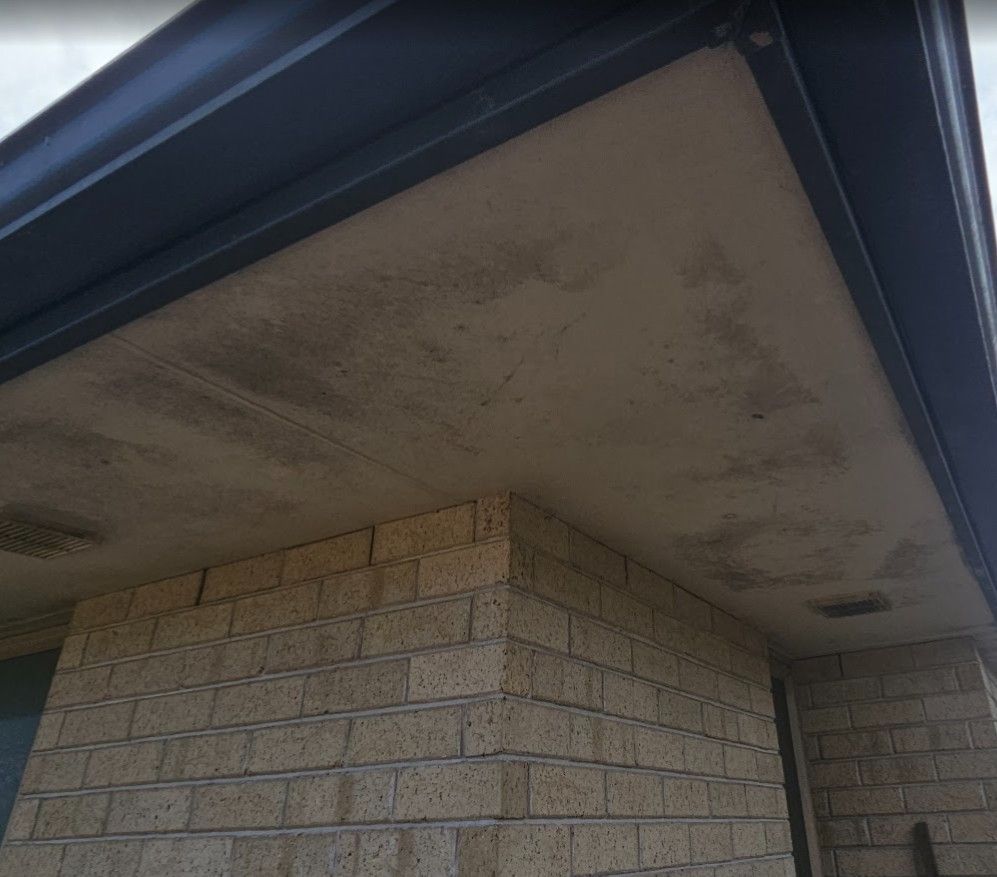
5. Look up, from the ground
From ground level, check for loose flashings, damaged roof edges, overflowing valleys, or staining or mould around roof-to-wall junctions.
Do not climb onto the roof unless you are trained and it is safe to do so.
What about inside?
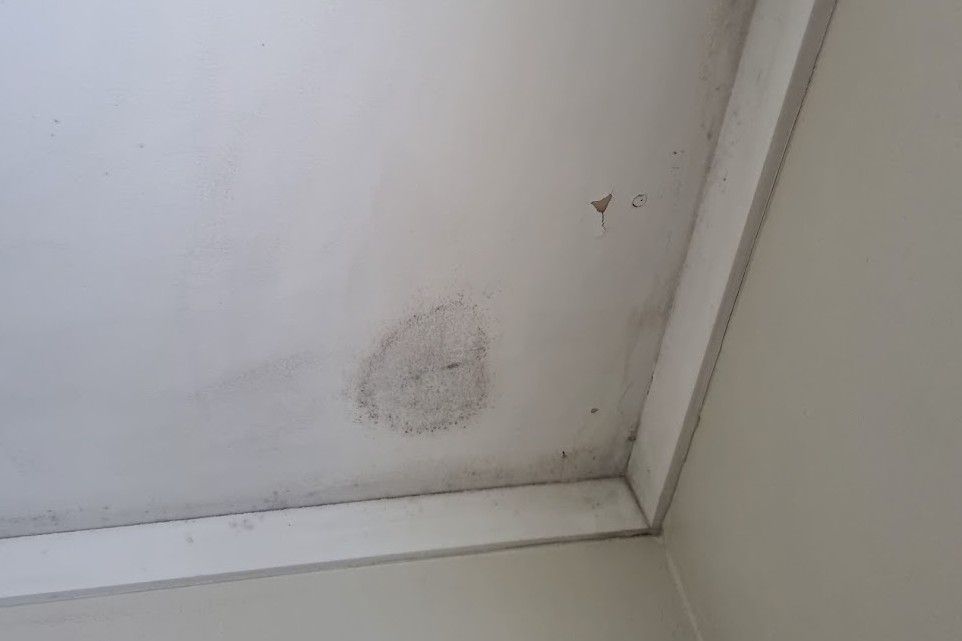
Musty smells, mould spots, bubbling paint, soft skirting boards, and areas that feel damp after rain are all worth noticing. We will cover the inside check properly in our next piece.
When should you get advice?
If you notice damp, mould, staining, rot, or water making its way inside, it is worth understanding what is causing it before it develops further.
A small visible sign does not always mean a major repair. But it is a lot easier to deal with something at the stain stage than at the rotten-framing stage.
If you spot something and you are not sure what you are looking at, send us a photo. We are happy to tell you whether it is worth worrying about.
Building repairs, water damage and renovations across Auckland. Our builders on the job, all the right trades brought together.
All Rights Reserved | Aries Builders Ltd · Established 1988